?>
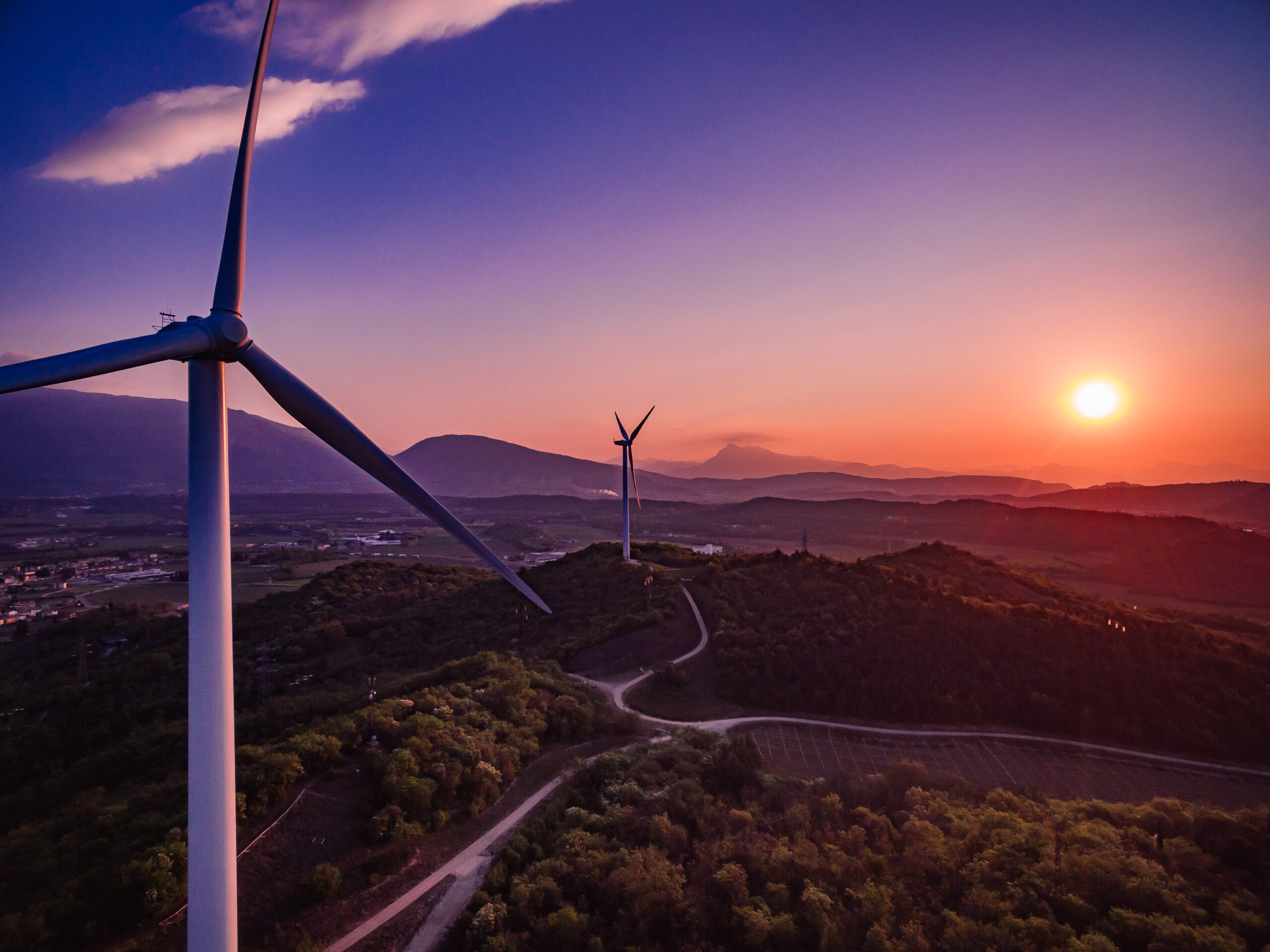
Wind Turbines Windmill Energy Farm at sunset in Italy

Carbon Efficiency: Reshaping the UK Engineering Landscape

Posted on 9 Nov 2024

Industry Insights & Interviews Energy & Utilities Engineering

​Whatever your opinion on the efficacy of Carbon Neutrality legislation in the UK, it is undeniably on the agenda for a company working within Engineering.

With Carbon Budgeting now a legal requirement, there is a growing trend to be aware of sustainable practices and ensure that a contribution is being made to reducing the carbon footprint.

As a result of this priority refocus, the engineering market has seen an influx of innovation that has not only looked at carbon offsetting but also at efficiency as a whole. The timing of the movement toward sustainable practices has coincided with a higher scrutiny on cost, so the two industry drivers are linked very closely, which has resulted in major infrastructure changes across household names and SME businesses alike.
Looking at the other end of the spectrum, creative solutions to reduce carbon emissions in the UK as a whole have also seen a significant increase in demand. Carbon Capture, alternative fuel sources, and electric vehicles are all seeing a rapid incline in demand for talent. Whether this is for ethical reasons, legislation or cost purposes, there is an undeniable wave of accountability and action centred around Carbon Efficiency.
With infrastructure projects representing 50% of the carbon emissions in the UK, it is clear that more sustainable practices need to be top of the agenda. With a country that is in a constant state of infrastructure development and engineering works, it is not practical to suggest limiting the works to be delivered. There is, however, an opportunity to innovate and develop new solutions to generate energy that will not only develop the UK’s Net-Zero policy, but will also provide the blueprint for energy efficiency and supply.
Specifically relating to renewable energy resources, it is difficult to match the supply with the demand, i.e. times of high demand may come when access to green energy sources is low and vice versa. Which means that development in the efficacy of energy storage is becoming more vital in order to keep up with the demand for energy to power homes, businesses and infrastructure projects.
The National Grid have suggested that Lithium-ion battery storage is the most effective way to store energy from high availability / low demand periods for use in low availability / high demand one (Source – https://www.nationalgrid.com/stories/energy-explained/what-is-battery-storage). Statera are a business that is approaching this problem from the ground up, providing not only more effective energy storage solutions, but also ensuring that the facilities that house and utilise this power are built using more carbon-effective practices by innovating the way in which they utilise concrete to house their power sources (Full story here – https://www.ice.org.uk/areas-of-interest/decarbonisation/minety-battery-storage-bases)
So what you need to know is that Carbon Efficiency is here, whether you are looking at it through ethics, cost or legislation, it is in everyone’s interest to look at their own practices and ensure that they are both pragmatic and as energy efficient as possible. With innovation in energy storage and green technology, the source of power will continue to shift more towards more sustainable power. Anyone who invests now in how to utilise their energy more effectively will see a long-term benefit.
iO Associates recruit professionals within engineering, more and more we are building talent pools of individuals who are focussed on efficiency and sustainability, couple this with our long standing history of supporting innovation within R&D, we are in a unique position to advise and support with any questions you may have on hiring talent or looking to secure a position within the industry and we’d always love to hear your take on Carbon Neutrality and the effect it is having on your career; or on your business.
Written By:
Carbon Efficiency: Reshaping the UK Engineering Landscape